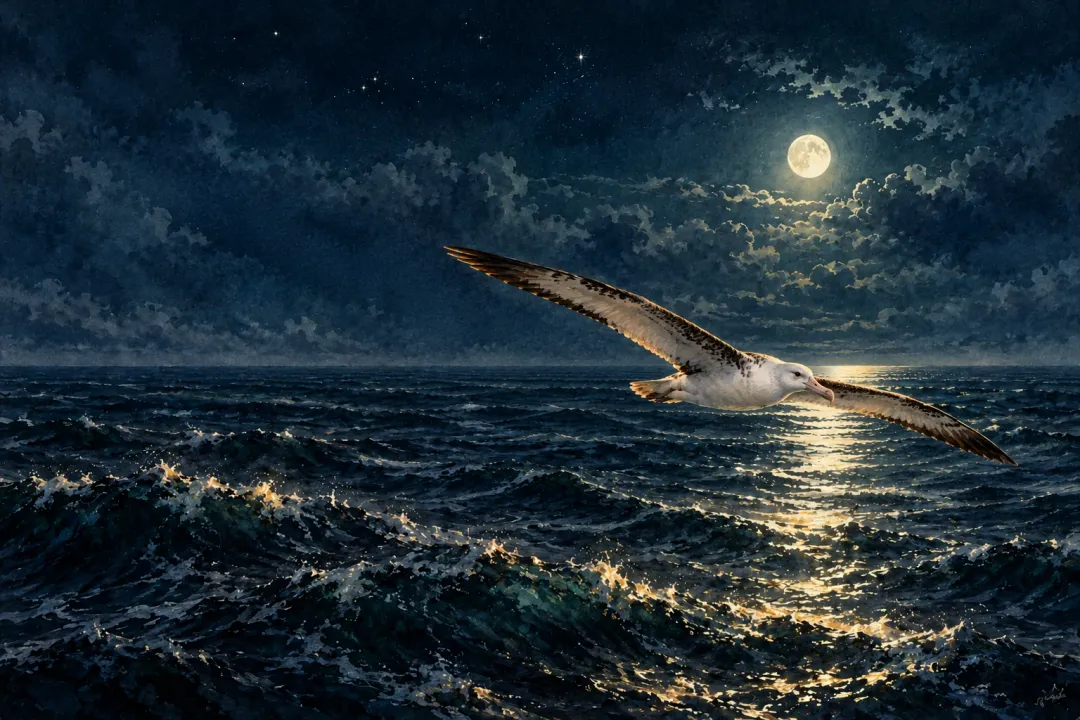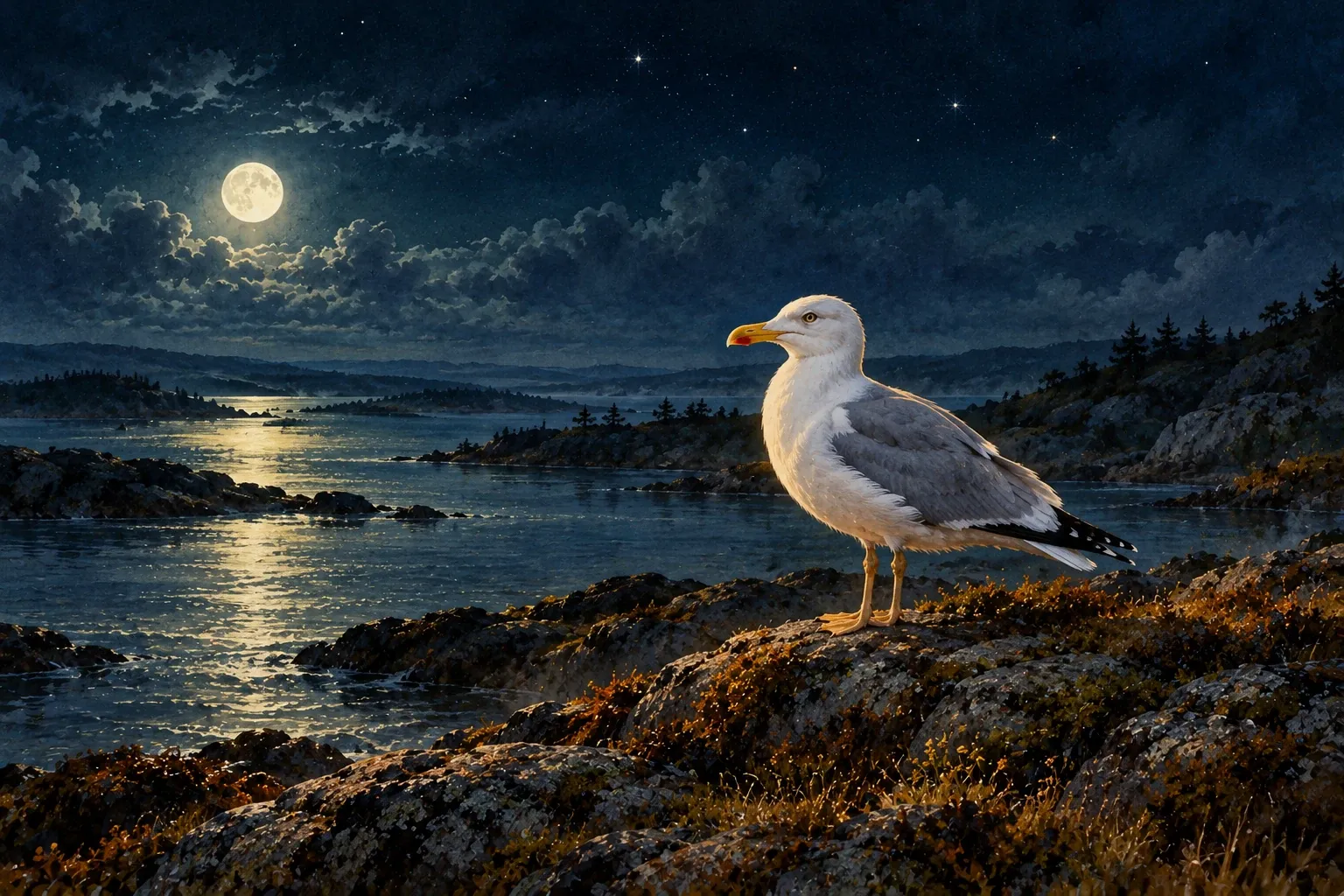
A gull can float on a choppy wave, then lift into the wind as if the two worlds belonged to one broad road. It feeds along the tide line, where sea and land leave their offerings, and keeps watch on a crowded shore with a keen, practical eye. Gull’s meaning begins there: stay curious, read what is happening around you, and find another way forward when the first one closes.
Gull reads the whole conversation
Gulls use calls and gestures among themselves. A cry carries, but so does a turn of the head, a pause, or the way another bird holds its ground. Watch Gull among people and the lesson is plain: words are only part of what is being said. Listen for the change in someone’s voice; notice what their posture adds. Gull teaches courtesy as a kind of attention, the care that lets a conversation land safely.
When Gull appears in a season of crossed signals, return to the person you care about and speak clearly. Leave room for their answer. This bird knows a crowded gathering and does not need every moment to be solemn; sometimes a lighter manner lets everyone breathe again. For a task that depends on persuasion or teaching, Gull lends a good ear, a steady voice, and the knack of choosing the right approach for the people before you.
A life that keeps its options open
Gull is at home in air and water, and it can feed on a wide range of fare. Some gulls drop shellfish onto hard ground to break them open. They are resourceful birds, willing to test a different method when a familiar one fails. Their nature gives a useful shape to Gull’s help: flexibility with a purpose, determination without a single fixed plan.
When a hard season narrows your choices, let Gull remind you to look along the edges. Is there another skill to learn, another route to try, another source of help? For work that calls for invention, negotiation, or persistence, call on the bird that keeps moving between surf, sand, and sky. Its strength is not a promise that every attempt will succeed; it is the courage to keep searching for a workable one.
Gulls also gather in noisy flocks and raise their young with close attention. A gull parent’s bright bill spot helps its chick find food, a small signal that makes care visible. That image carries a quieter kind of kinship: notice what helps the young ones around you thrive, and make your care easy to recognize. Gull’s long lesson is practical belonging—share the shore, pay attention, and do your part to keep a common place livable.
The shore asks for a clean hand
Gulls eat what they find along the water’s edge, including scraps left behind by people. Their presence can remind us that what gets discarded does not vanish; it becomes part of the shore’s next meal. When Gull enters your life, pick up what you can, recycle what is useful, and clear one neglected corner of your home or community. The bird that makes a living from what others overlook knows the difference between a resource and a mess.
The Salish tell that Seagull keeps the world’s light hidden in a chest, until Raven tricks him into opening it and releases the sun, moon, and stars. Seagull’s keeping becomes a lesson in what happens when one holds too tightly to what everyone needs. The story leaves a sharp question behind: what light or useful knowledge could you share?
When Gull visits a dream
Gulls foretell peaceful dealings with ungenerous people, while dead gulls mean wide separation between friends. In the language of Gull, a living bird near the water can also bring the themes of communication and adaptability close to the surface; a wounded or fallen gull may leave the dream feeling like a broken connection that needs gentle attention.
Whether Gull comes in a dream or cries above the beach, it belongs to the moving border between wind and water. It watches, listens, and makes a living from what the tide brings. Carry that image with you: Gull riding the gust above the foam, ready to turn when the next opening appears.