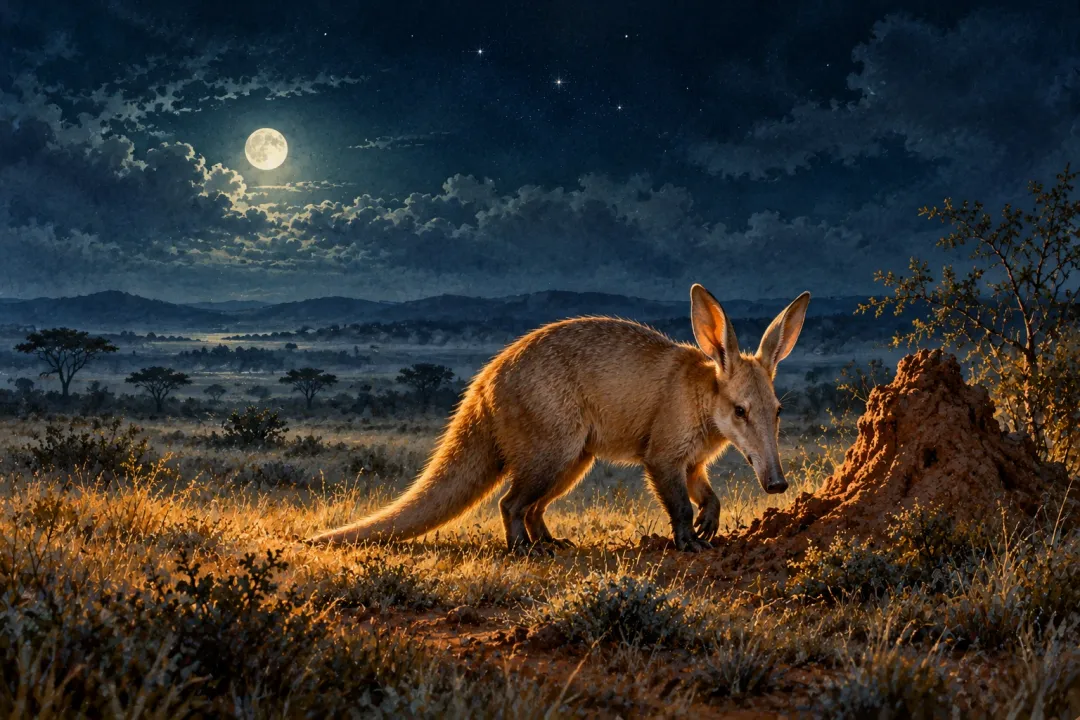
A wombat’s broad paws work the soil until a hidden room opens beneath the roots. It spends the bright hours there, then comes out after dark to feed. This is a creature that makes shelter with its own effort and moves at its own pace. Its meaning begins with that steady work: trust what you have, dig down to find it, and step into the world when you are ready.
Wombat’s lesson in finding firm ground
Wombat is a reminder that what you need can be close at hand, even when change has made your life feel unfamiliar. Its claws uncover roots buried beneath the surface; your own reserves can take some digging to reach. When a hard season asks more of you, start with what is already within reach: a skill you have practiced, a friend who knows you well, a small routine that keeps you steady. Wombat does not hurry its burrow into being. It makes a place that can hold its weight.
The wombat’s home is not a retreat from living. It is a base from which to live on its own terms. Wombat spends daylight underground, then emerges at night to forage. If the noise and speed around you have begun to crowd out what you love, let this animal’s rhythm remind you that rest and effort belong together. Choose a little time for the work that matters to you, and let the rest of the day be rest.
Wombat is solid-bodied and determined, yet it is not always solemn. It can play with somersaults and shoulder rolls. That combination carries a useful strength: take your work seriously, and keep some delight for yourself. If you feel pushed around, stand plainly in your own shape. Speak with confidence, and leave room for the other person to answer. A strong boundary does not need to become a quarrel.
The strength Wombat lends
When you are beginning a demanding task, Wombat lends the persistence of a creature that keeps digging until it has made a way through. Break the work into efforts you can sustain, and return to it steadily. When life feels chaotic, remember the burrow: make one dependable place in your day, even if it is small. When you have been treated without respect, Wombat’s firm body reminds you to hold your ground and say what happened clearly.
Its solitary habits also have a gentle edge. Wombat often keeps to itself, but its young depend on their mother’s care in the pouch during their first months. Strength includes knowing when to protect and when to nurture. If someone close to you is struggling, offer a kind hand and your attention; if you are the one worn thin, care for yourself with the same patience. And when you feel overly protective, pause long enough to see whether the other person needs shelter or space to find their own footing.
The animal’s unusual droppings offer another image of its distinct way of moving through the world. Wombats produce cube-shaped droppings, formed within their intestines. Like the wombat’s burrow, the shape is a result of patient, physical work; it suggests a nature that leaves its mark in its own unmistakable way. Let your gifts take the shape that fits you. You do not have to imitate another person to make something lasting.
When Wombat visits a dream
A wombat digging into the earth may point toward a need to reach beneath the obvious—to find a resource, feeling, or truth you have kept buried. If it disappears into a burrow, the dream may reflect a wish for quiet and safety. Ask what kind of shelter would help you recover, and what would let you come out again when you are ready.
A wombat that charges or runs may bring self-protection to the foreground. The animal is usually unhurried, but it can move quickly when threatened. Such a dream may speak to a moment when you need to act decisively or defend a boundary. If the wombat is wounded, the image may point to a place where your own steadiness has been hurt and needs care. A playful wombat rolling or tumbling carries a lighter message: there is room for pleasure even while you work through a serious season.
Wombat’s name and its kinship with the land
The word “wombat” comes from the Darug language, connecting this animal’s familiar name with the people whose country includes the Sydney region. That living language link deserves to stand on its own. Wombat’s spiritual meaning does not speak for all Aboriginal peoples, each with their own histories, languages, and relationships to Country.
The wombat itself offers a quiet form of kinship with place. Its digging turns and opens the soil, and its burrows make shelter beneath the ground it inhabits. It belongs to a particular Australian landscape, and its daily life is bound to that earth. In this, it teaches belonging through attention: know the ground beneath you, care for the place that shelters you, and make your presence useful to the life around you.
At night, the wombat comes up from its dark burrow and follows the roots and grasses. It does not need to hurry to prove its strength. It has done the work below, and now it meets the open world on its own sure feet. Keep that image: a low, solid shape crossing the grass beneath the stars, carrying its home within its patient nature.